Arborical Calligraphic is a forest of 100 animated word-trees grown by algorithm.
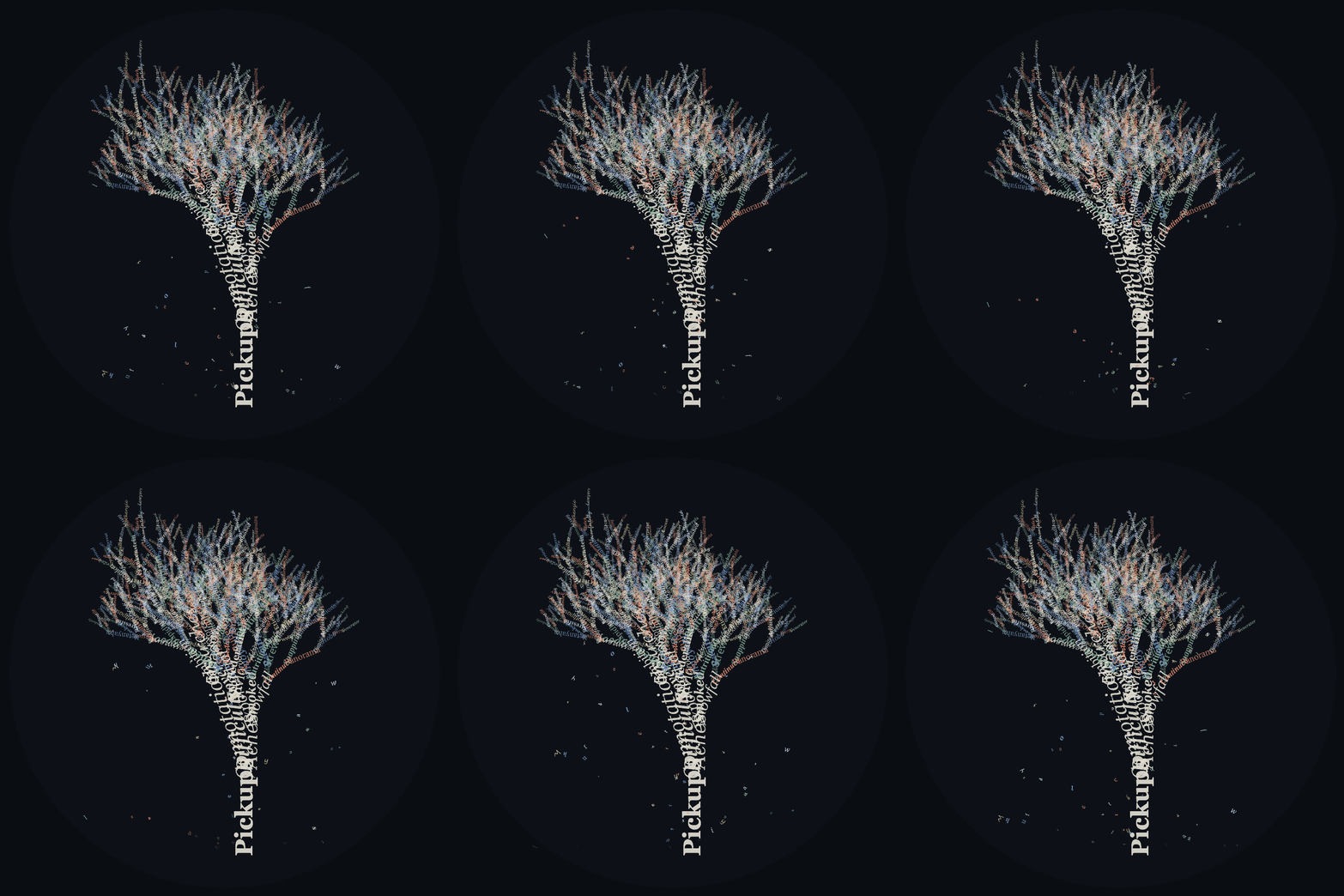
Arborical Calligraphic
A forest of words, grown by algorithm
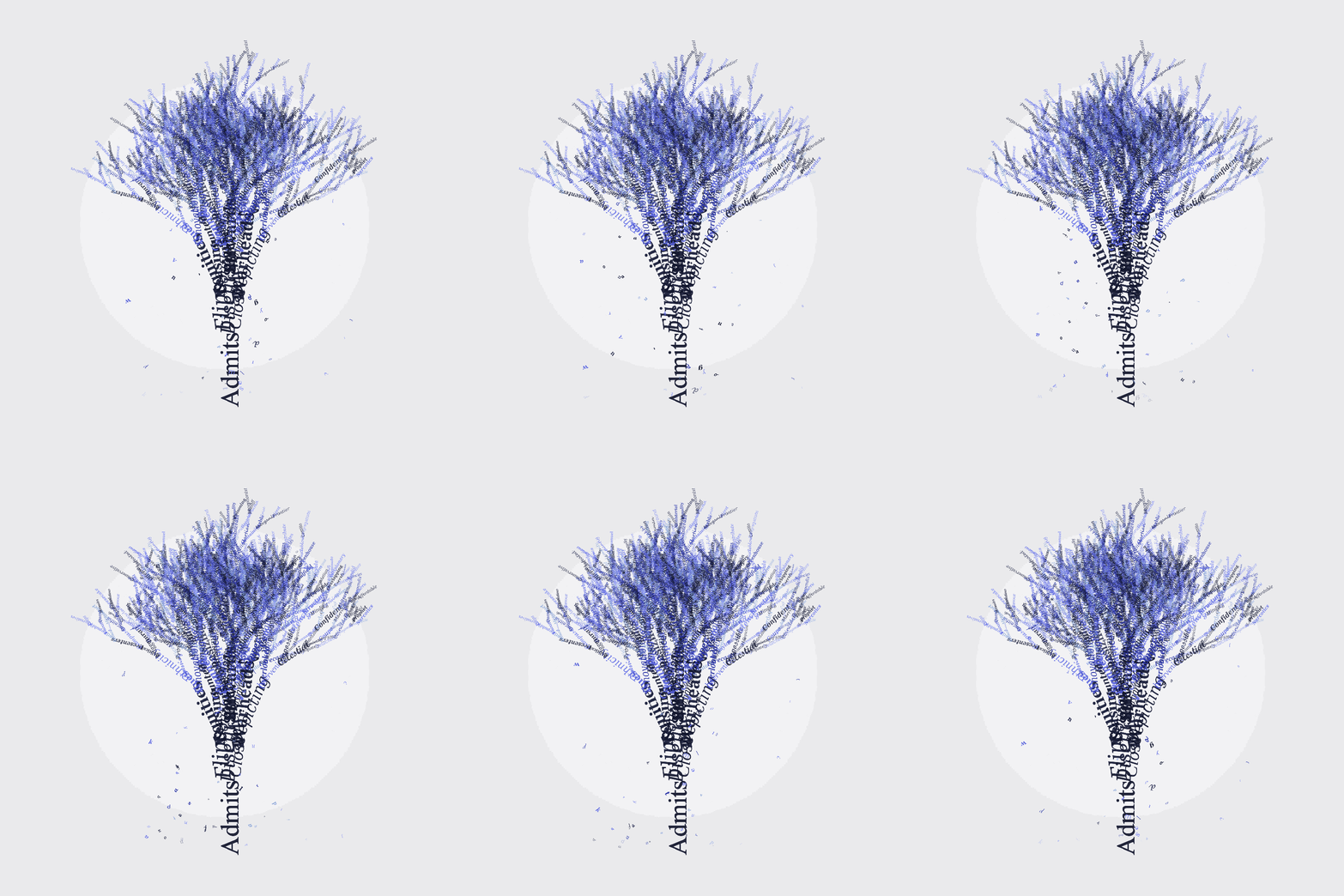
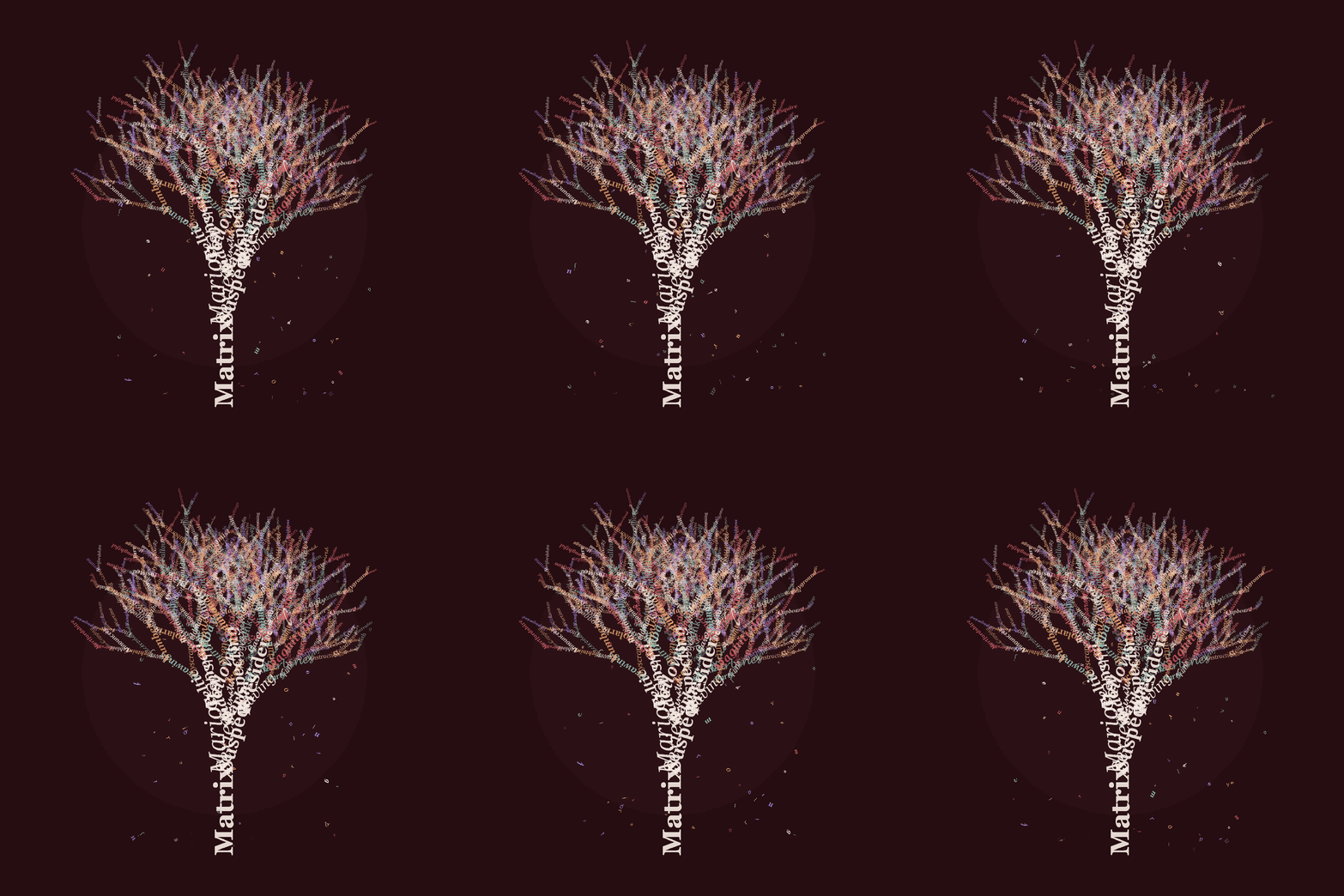
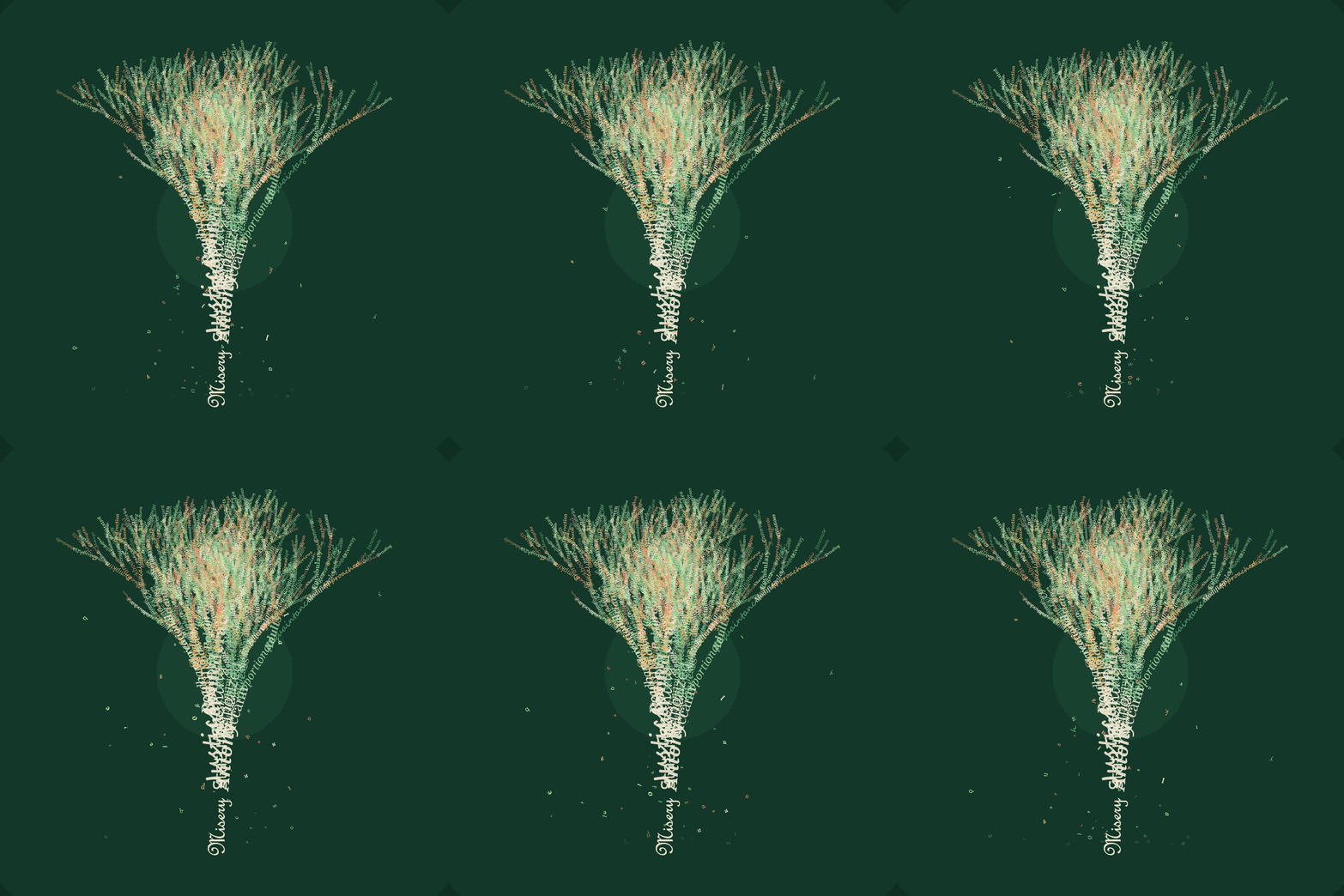
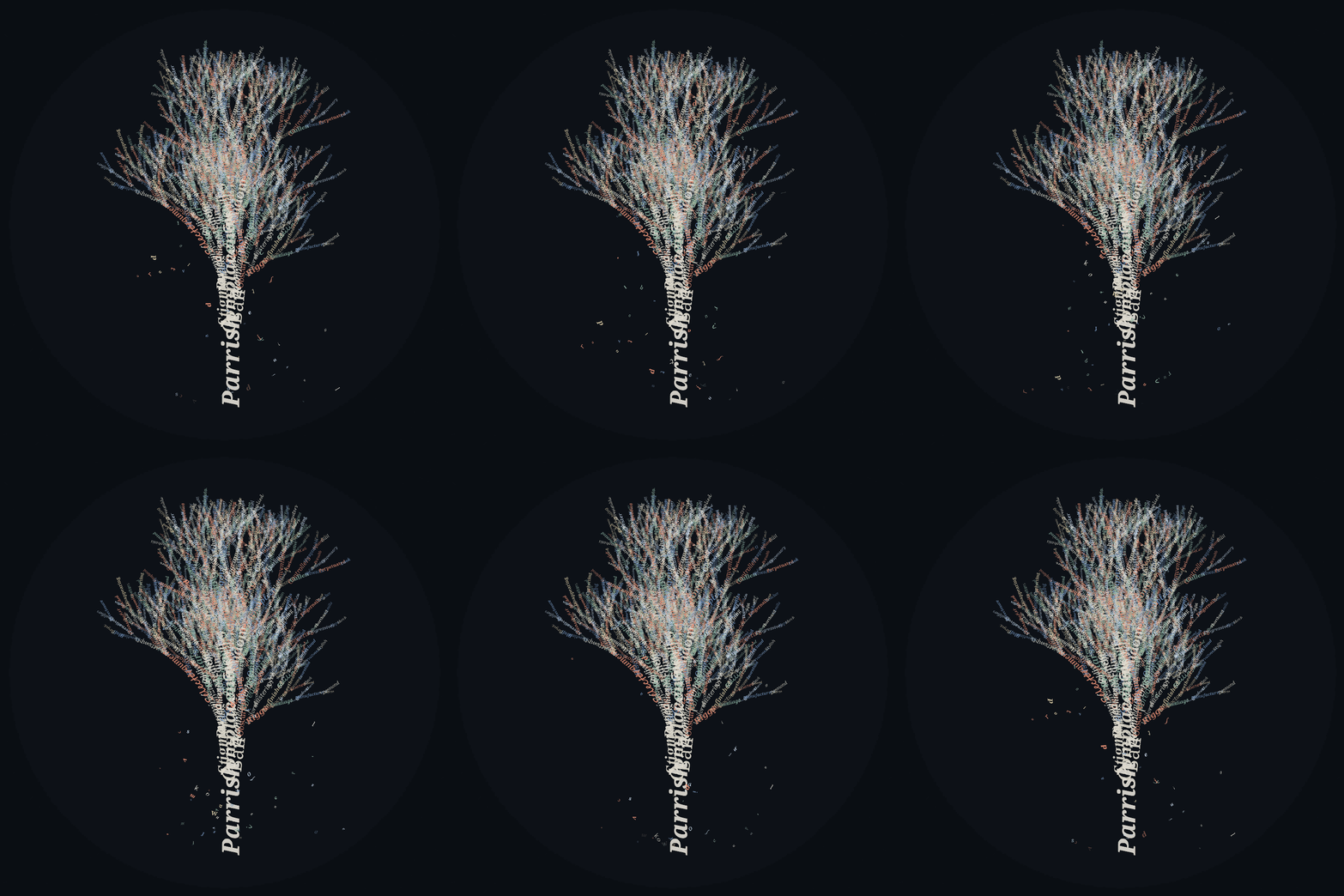
Arborical Calligraphic is a series of 100 animated digital works generated through code, language, chance and structure.
The project begins from a simple image: a tree made entirely of words.
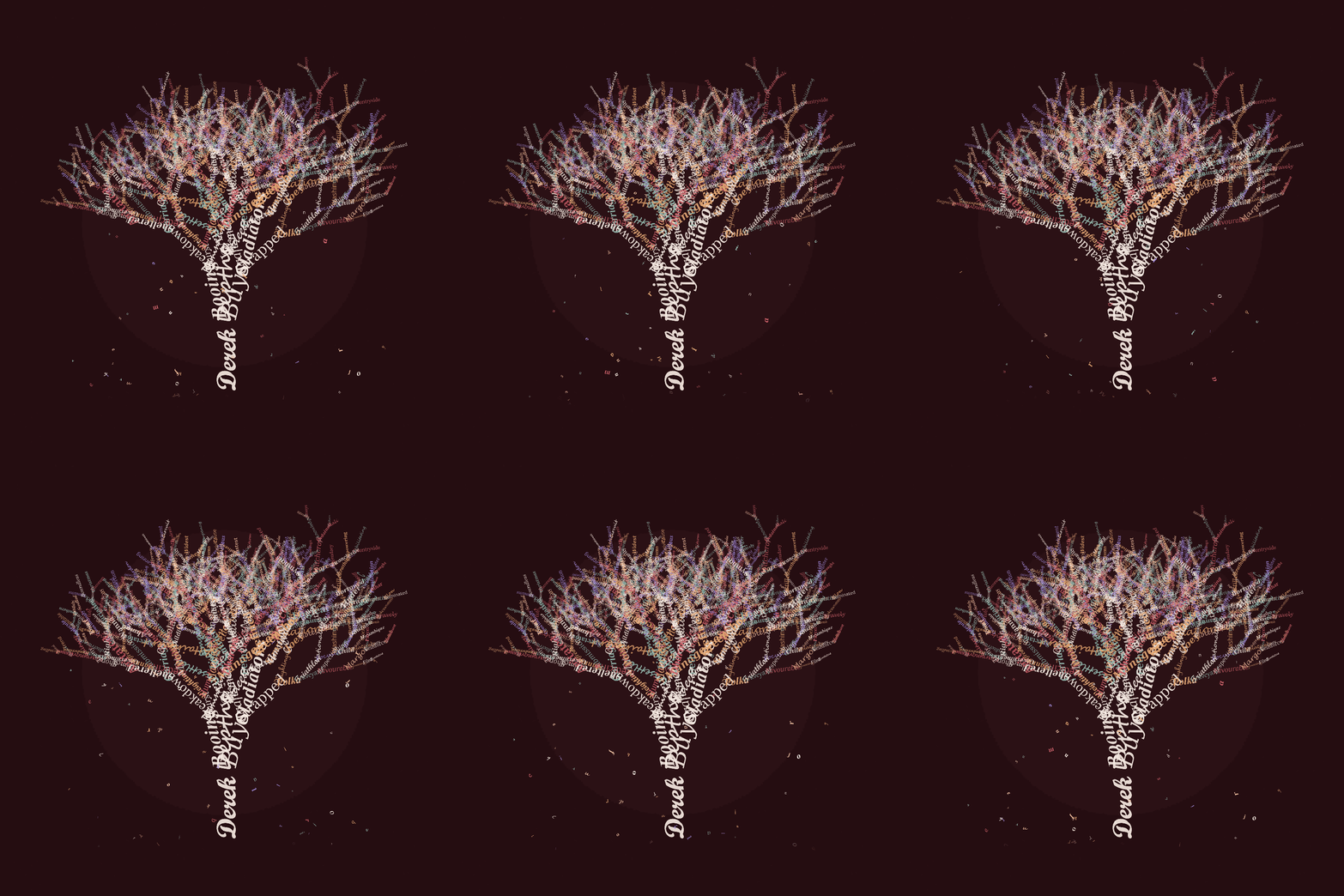
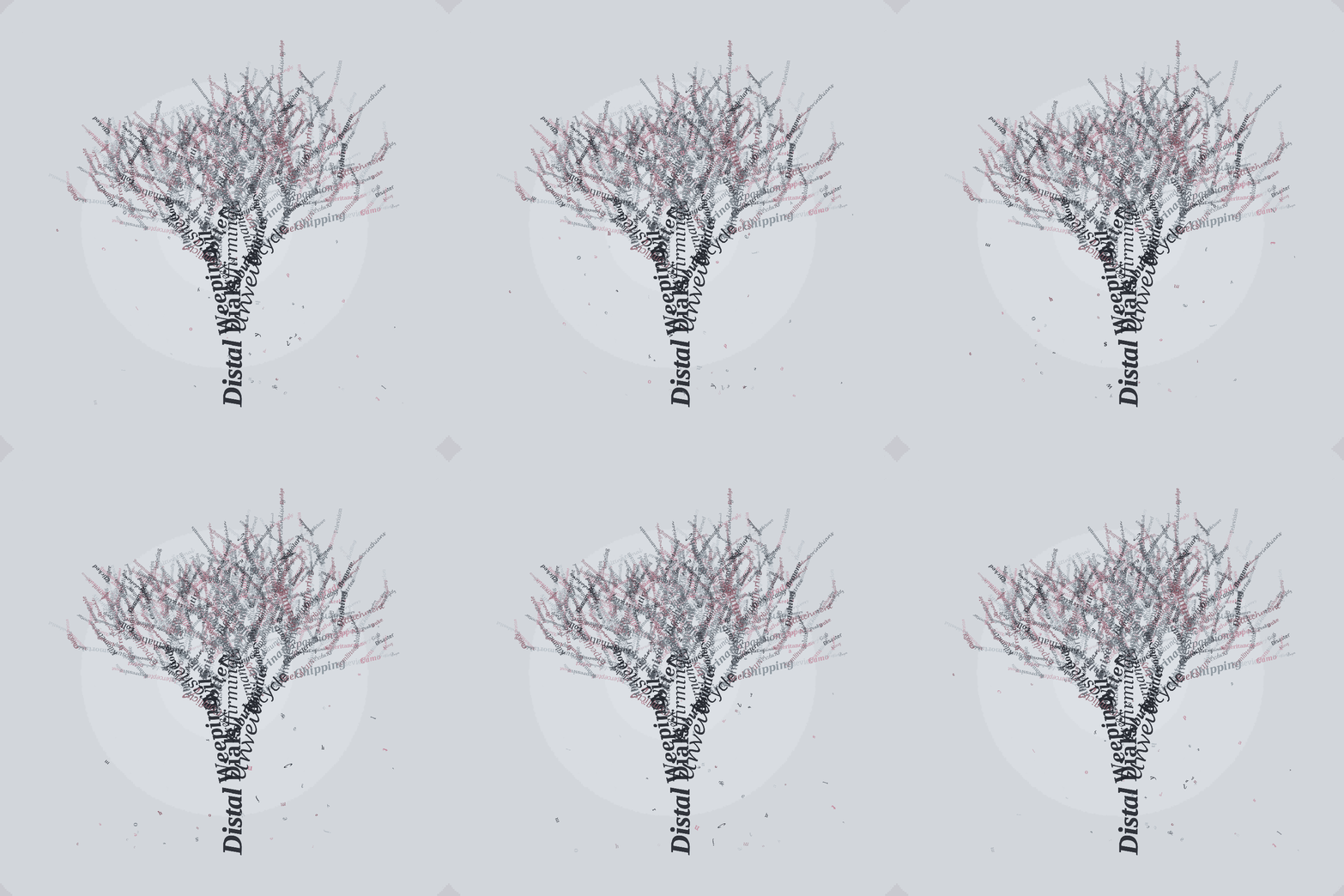
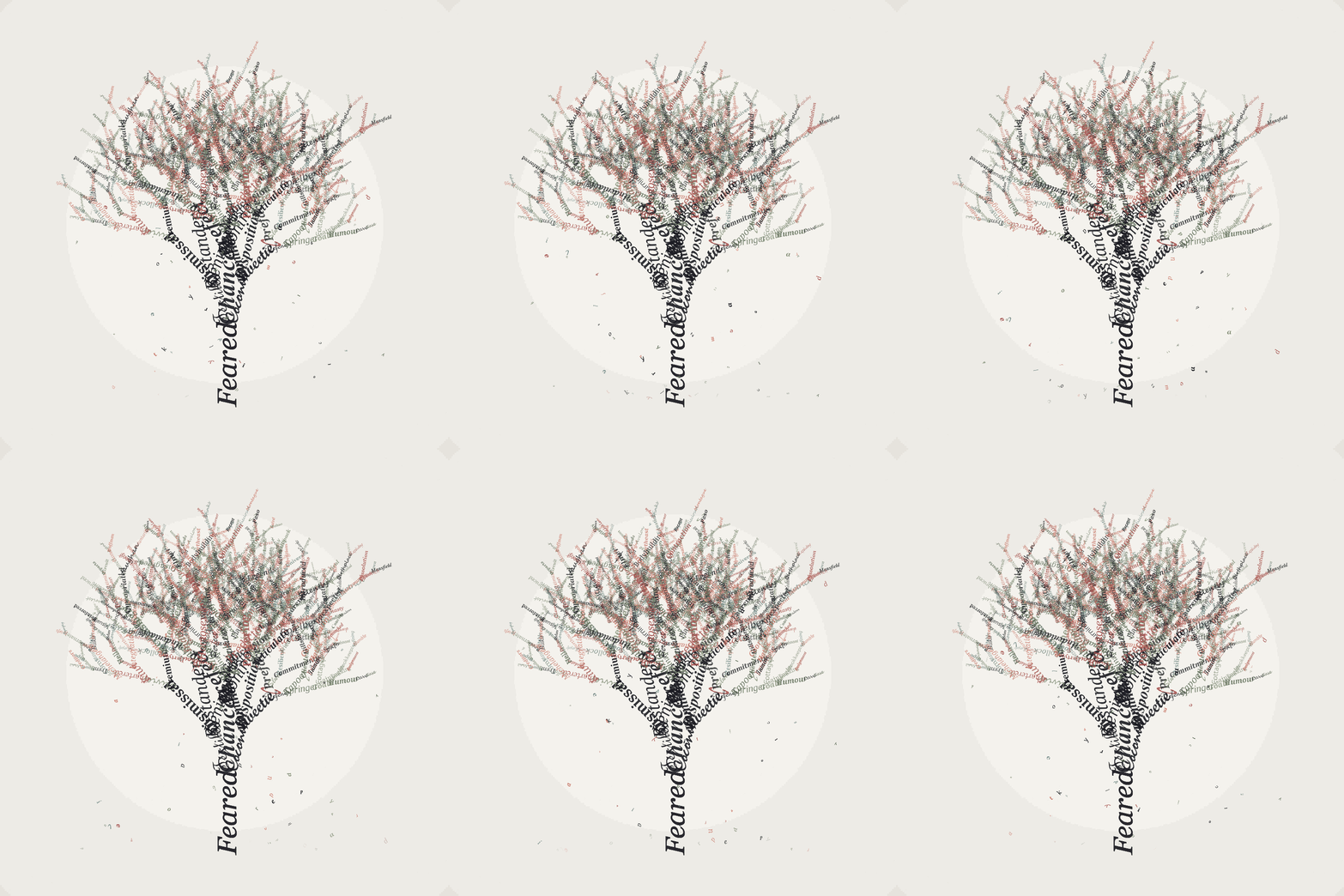
Not a tree described by words, but a tree physically grown from them. Every trunk, branch, leaf-like fragment and falling particle is produced through typography. The image is not illustrated first and then decorated with text; instead, the words themselves become the matter of the tree. They form its body, its movement, its density, its rhythm.
In this sense, each work is both an image and a text. It can be looked at as a drawing, but also read as a living page.
A book, after all, is already a forest of words. Every page contains branches of meaning, roots of memory, paths of interpretation, shadows, clearings, repetitions, silences. A reader enters a book as one enters a wood: without seeing the whole structure at once, moving from sign to sign, from sentence to sentence, from one possible direction to another.
Arborical Calligraphic starts from this same intuition.
If a book is a forest of words, these 100 works are an attempt to make that forest visible.
The tree as a reading system
The tree is one of the oldest symbols of knowledge, memory and transmission. It appears in genealogies, sacred texts, botanical studies, diagrams, archives and cosmologies. It connects the underground to the sky, the invisible to the visible, origin to growth.
Language works in a similar way.
A word is never isolated. It carries roots, associations, echoes and future branches. One word calls another. One meaning opens into many possible meanings. A sentence grows by connection. A story branches. A memory bifurcates. A thought becomes a structure.
In Arborical Calligraphic, the tree becomes a metaphor for language itself.
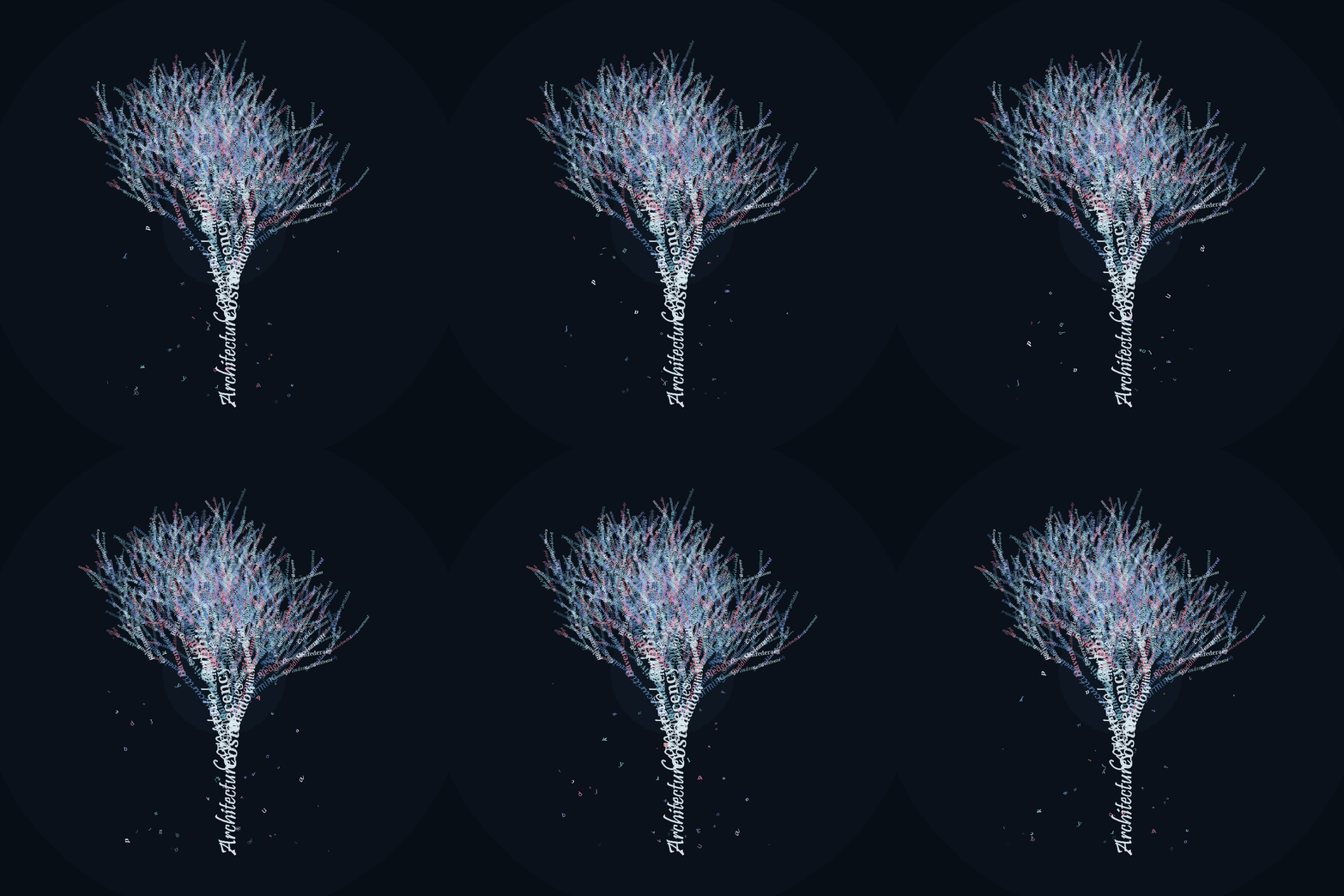
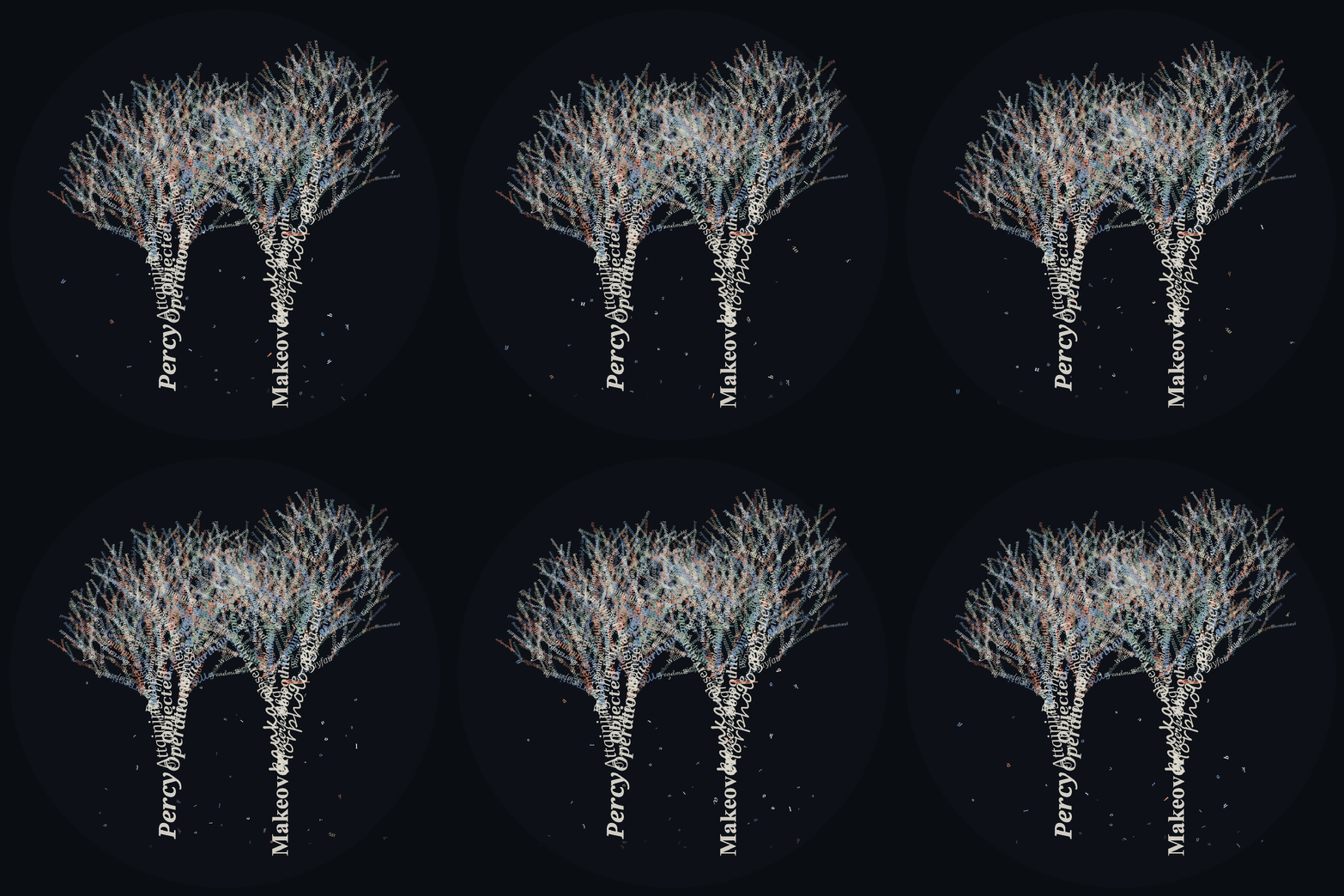
Each artwork begins with a single trunk word. That first word gives the piece its name and becomes the vertical origin of the image. From it, other words begin to grow, following recursive paths. The branches are not drawn with conventional lines; they are built by sequences of words whose measured lengths determine the direction and extension of the next segment.
The algorithm does not simply place text on top of an image. It lets text behave like growth.
The word becomes gesture.
The gesture becomes branch.
The branch becomes crown.
The crown becomes a field of reading.
A generative calligraphy
The project sits between generative art, calligraphy, concrete poetry and digital drawing.
Traditional calligraphy gives language a body. It makes writing visible as pressure, curve, rhythm and breath. Arborical Calligraphic translates that impulse into code. The hand is replaced by an algorithm, but the desire remains similar: to make words move beyond pure information and become form.
The works are generated through a custom Python system. Each seed produces a different composition. The algorithm selects words from a broad English vocabulary, excluding offensive terms, and gives each word the same probability of appearing. This creates a field of language that is open, unpredictable and democratic: no single word is privileged by intention once the system begins.
The trunk word, however, has a special role. It is the first word. It defines the name of the animated GIF and becomes the symbolic foundation of the piece. From that word, the visual organism begins.
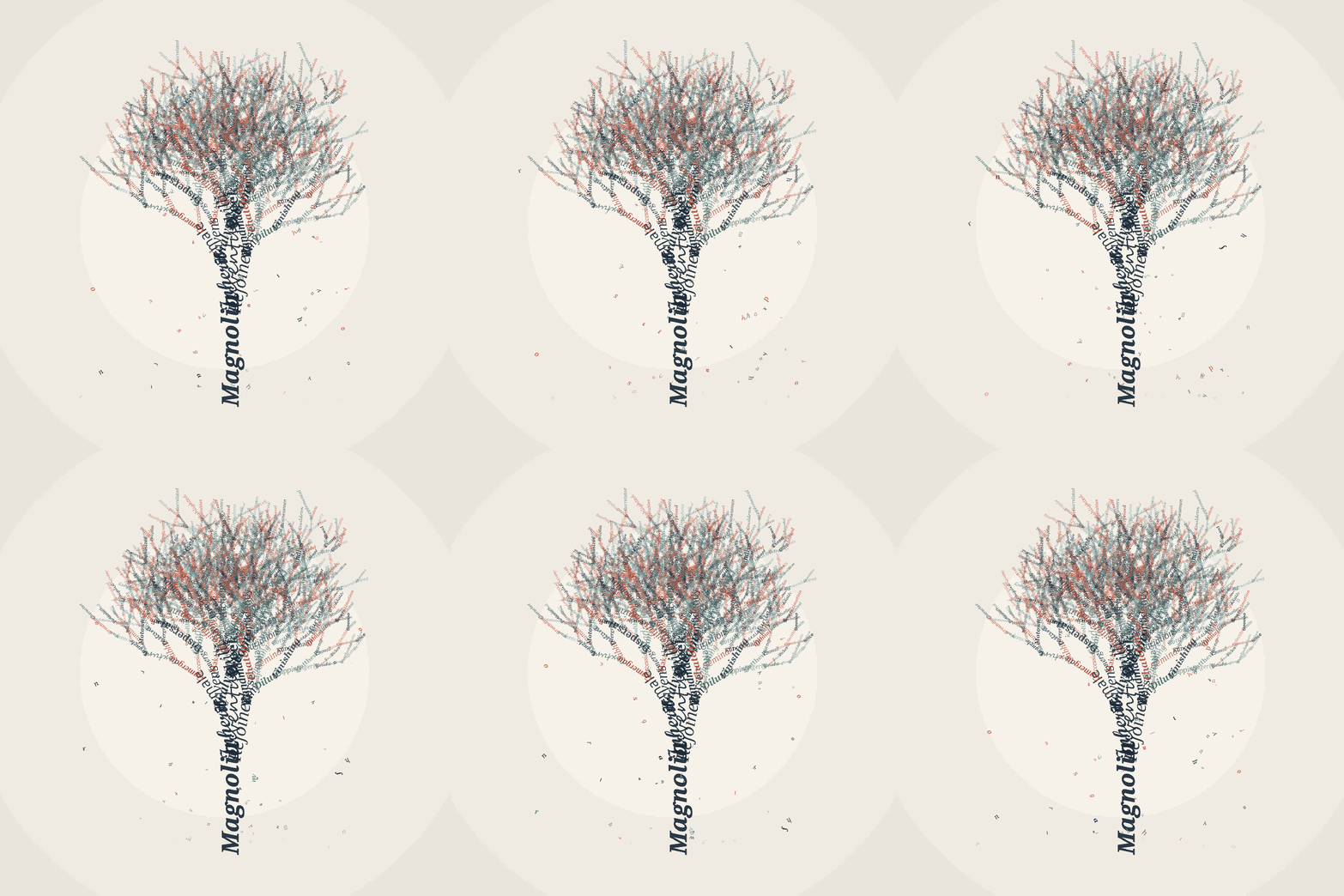
Around it, the composition grows through recursive word-chains. Each word is measured. Its width determines the next point in space. At the end of a word, the system can continue, bifurcate, change angle, reduce scale, or move toward the crown. In this way, the tree is not drawn as an outline; it is assembled through acts of reading.
The result is a calligraphic organism: part diagram, part poem, part botanical hallucination.
The forest as an archive
The 100 works in Arborical Calligraphic are not meant as isolated images. They form a small forest.
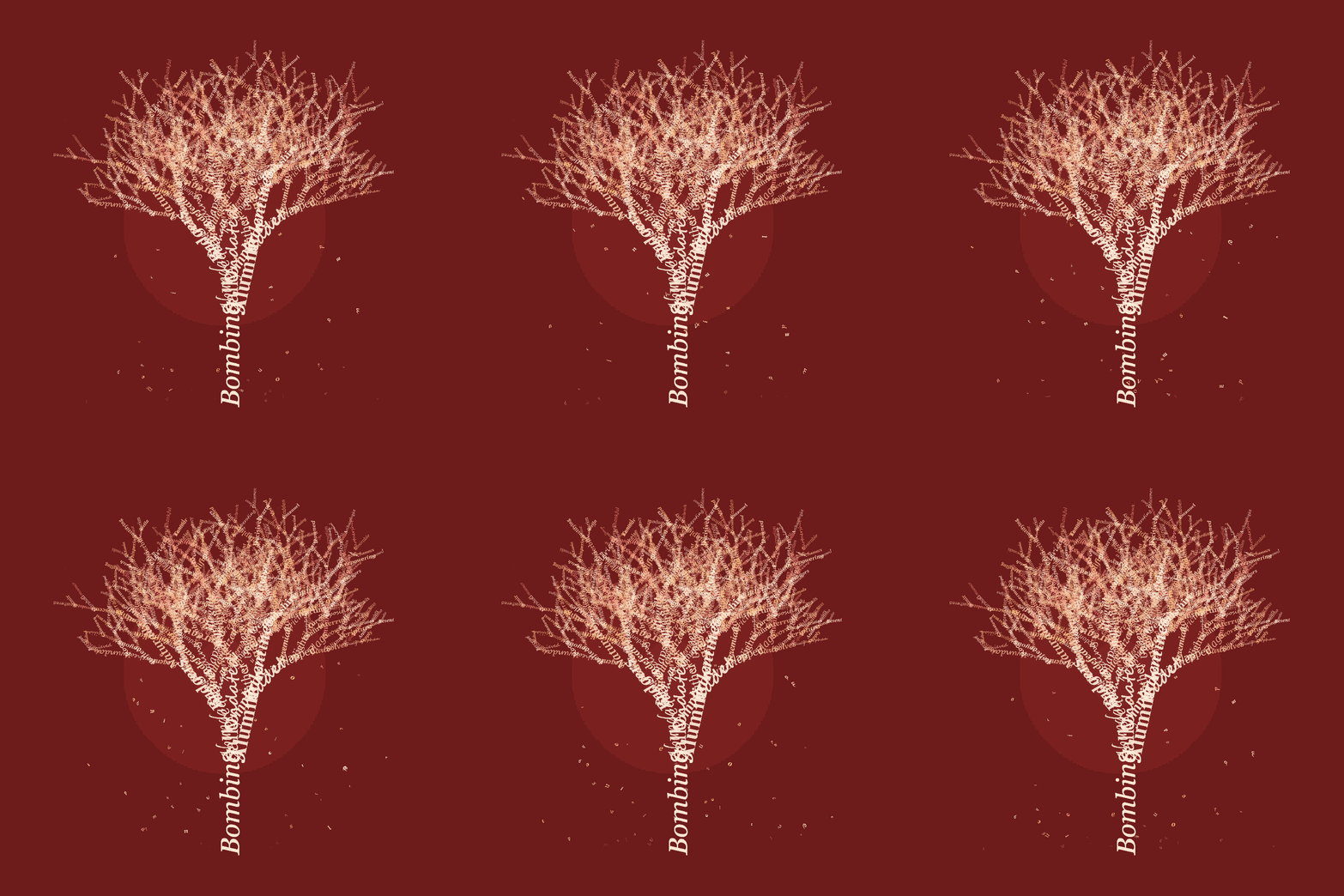
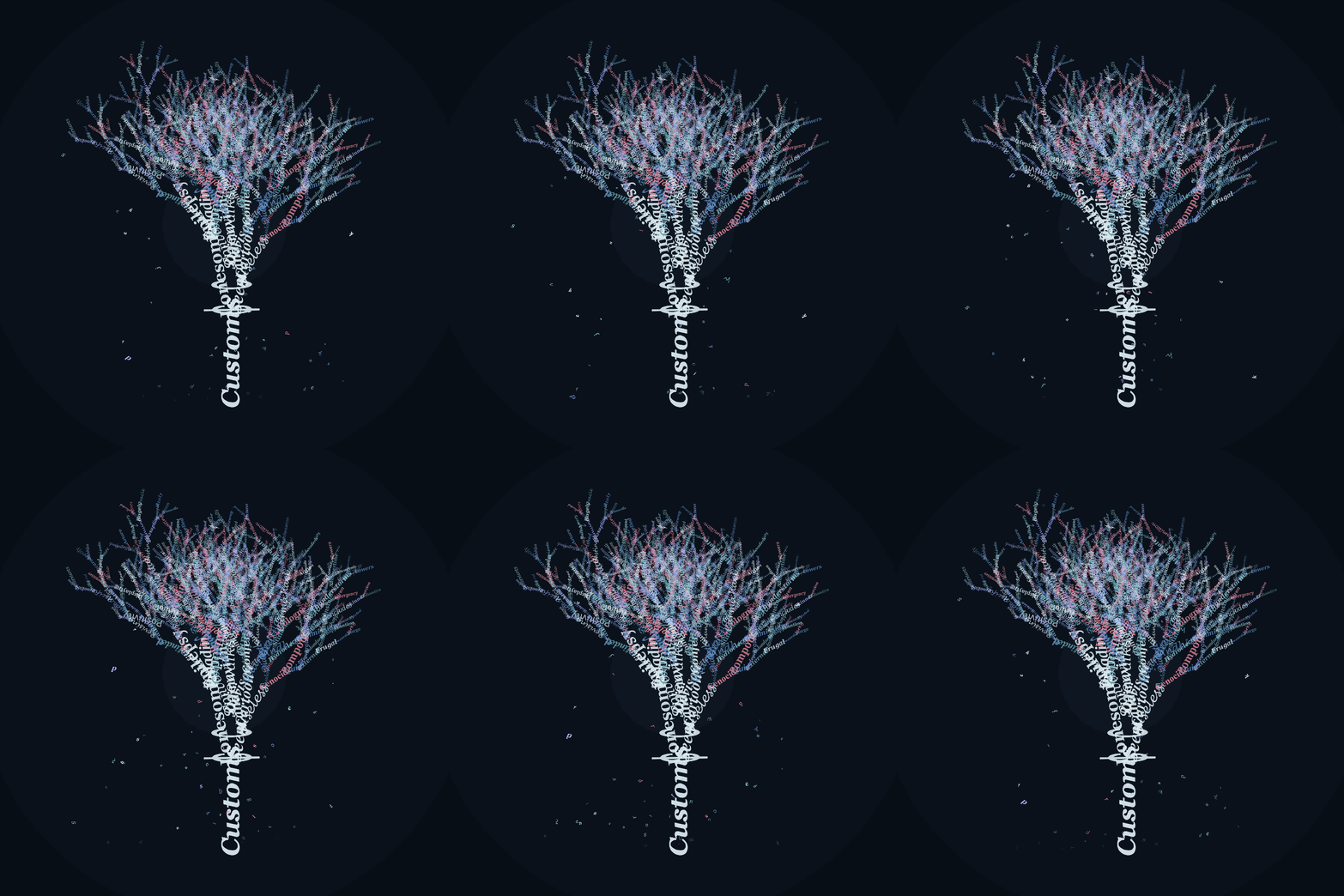
Each tree has its own trunk word, its own branching behavior, its own density, its own rhythm and its own atmospheric balance. Some are more open, others more compact. Some appear like delicate linguistic roots, others like dense crowns of thought. In a small percentage of the series, the system can also generate double trees, introducing the idea of relation, mirroring or parallel growth.
Together, the 100 works become an archive of possible language-forms.
They suggest that language is not only a tool for explanation, but also an environment. We do not simply use words; we inhabit them. We move through them. We remember through them. We build identities, images and worlds through them.
A dictionary, in this project, is not treated as a fixed list. It becomes a seed bank.
Every word has the possibility to grow.
Every word can become trunk, branch, leaf, gesture, trace.
Every word can become image.
Reading and seeing
One of the central tensions of the project is the relationship between reading and seeing.
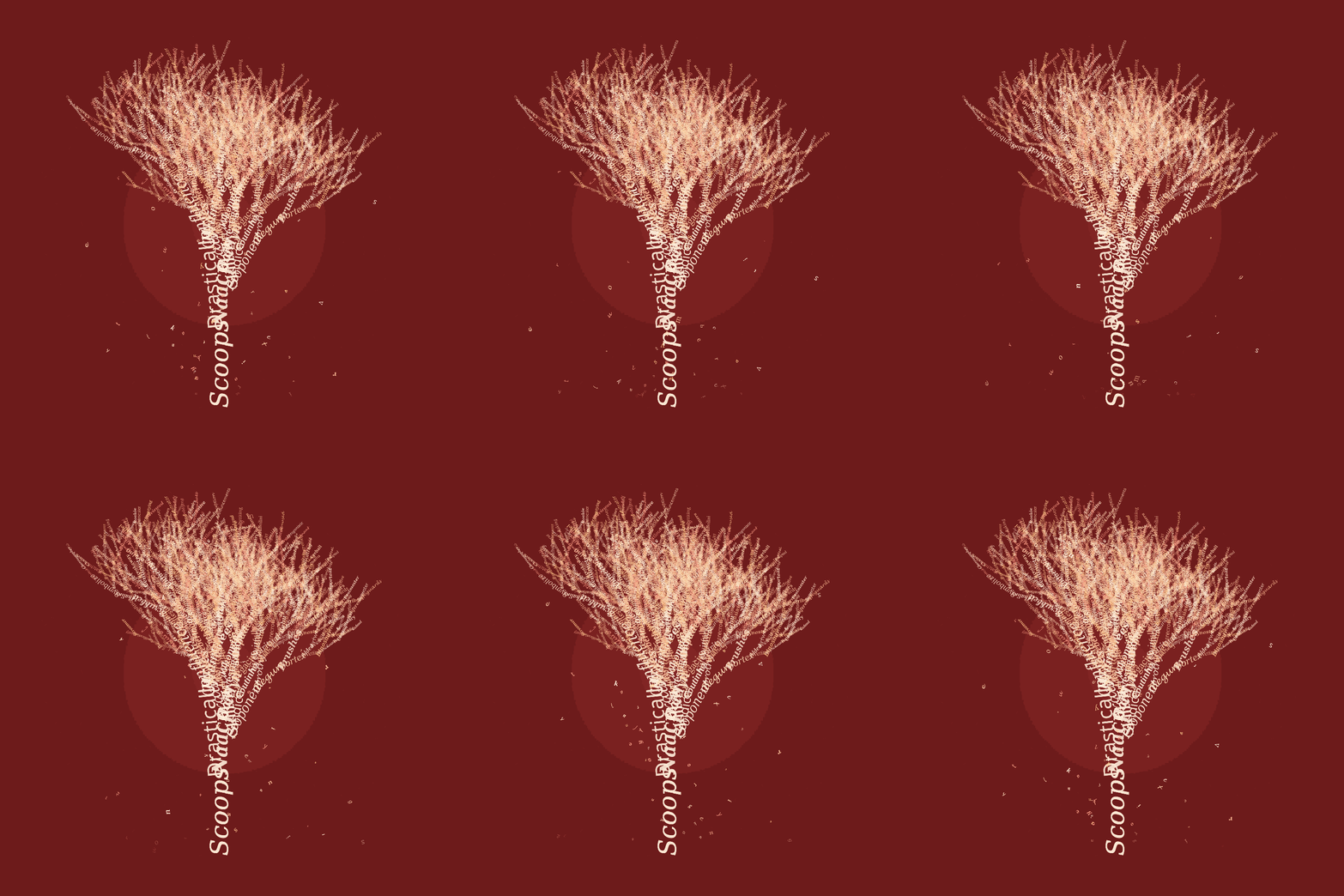
When we look at a work from a distance, we see an organism: a tree, a crown, a network, a living structure. When we move closer, the image breaks into words. What first appeared as botanical matter becomes language. What looked like drawing becomes writing.
The viewer is asked to oscillate between two modes of attention.
From far away: image.
From close up: text.
From far away again: forest.
From close up again: words.
This oscillation is essential. The work is not fully resolved as either picture or poem. It exists between the two. It asks the eye to read and the mind to look.
Like a book, it cannot be grasped all at once. Like a tree, it has to be explored through parts.
Animation as breath
The works are animated GIFs.
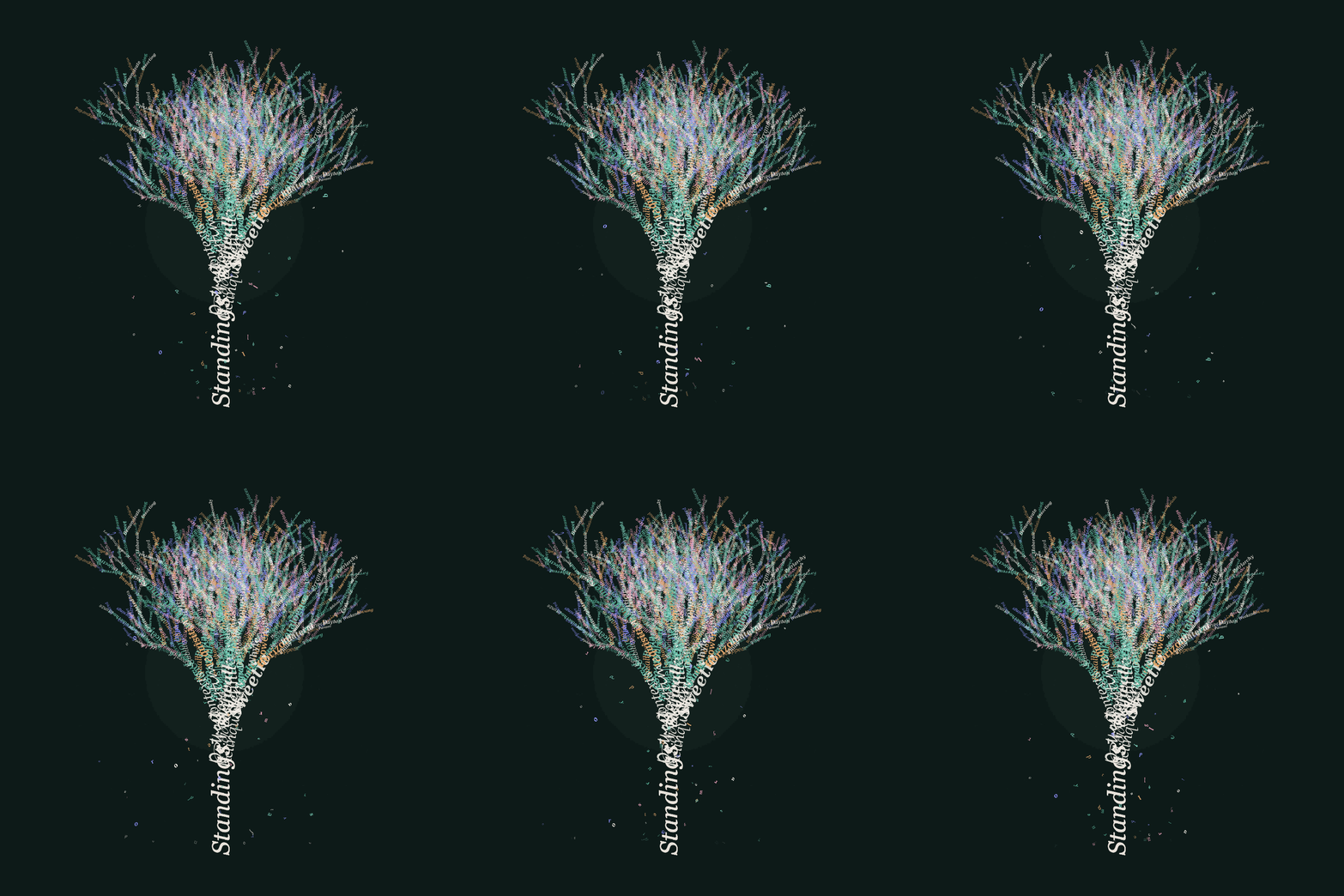
The animation is intentionally subtle. The tree is not treated as a spectacle of movement, but as a living field. Small letters fall, drift or detach from the crown like fragments of thought, seeds, pollen, leaves or memory. The motion gives the image a quiet temporal dimension.
This movement suggests that language is never still.
Words fall away.
Words return.
Meanings detach.
New readings appear.
The tree remains, but it is never completely fixed.
The animation also connects the project to the idea of digital life. These are not static illustrations exported from an algorithm; they are small living systems, loops of linguistic growth and decay.
Between structure and chance
Although the works are generated, they are not random in a careless sense. The system follows rules.
Branches grow through recursion. The tree structure is controlled by angles, depth, scale, bifurcation and spatial constraints. The words follow the direction of growth. The crown is formed by both density and hierarchy, with smaller words creating texture and larger words emerging as visual anchors.
At the same time, each seed introduces variation. The algorithm chooses words, fonts, angles, densities, colors and branching decisions. This creates a balance between discipline and surprise.
That balance is important.
A tree is not pure chaos, but it is not pure geometry either. It follows rules while constantly deviating from them. It is structured, but never mechanical. Arborical Calligraphic tries to preserve that same condition: a controlled system capable of producing organic unpredictability.
Why 100 works
The number 100 gives the project a defined perimeter.
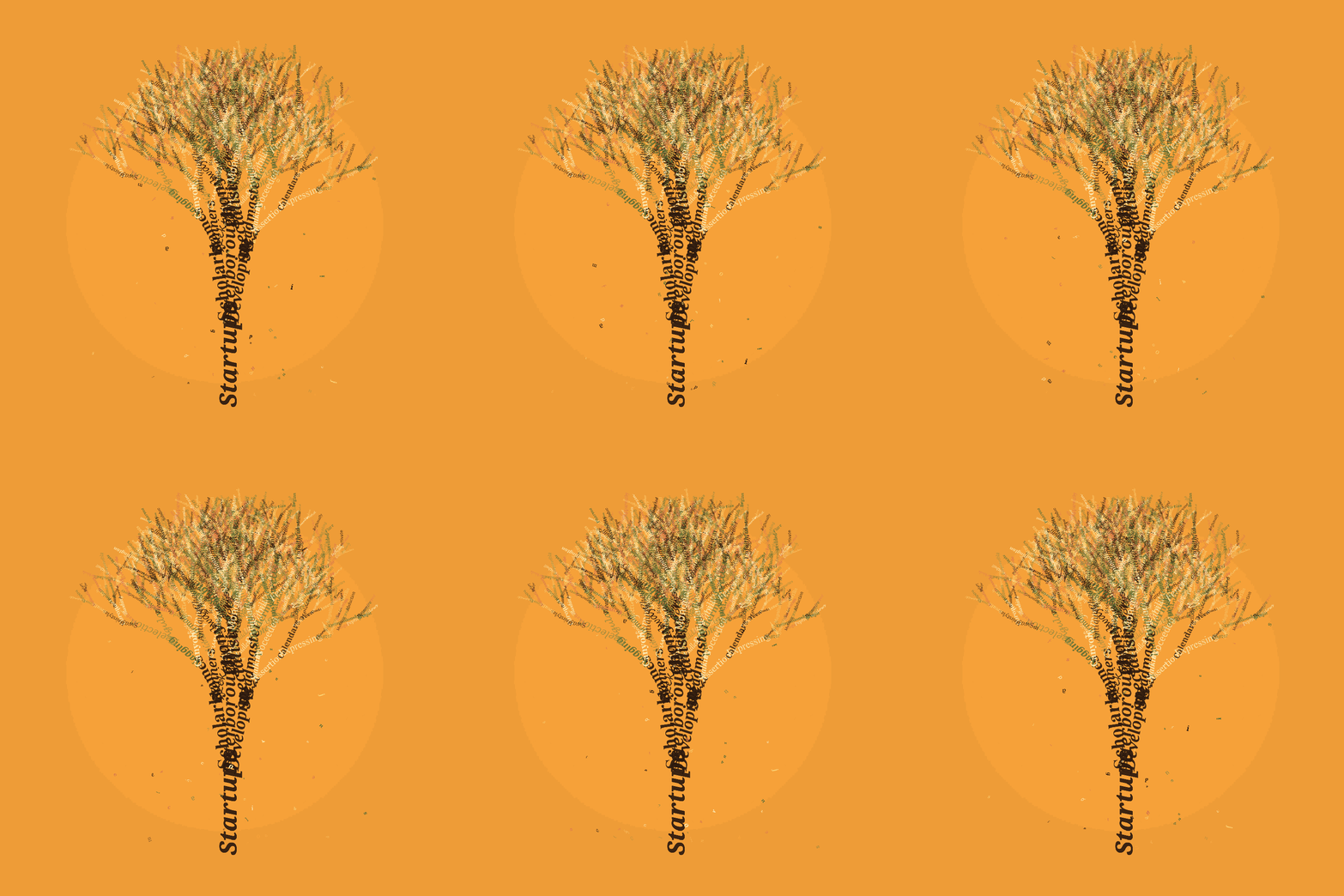
It is large enough to feel like a forest, but small enough to remain intimate. Each piece belongs to a wider system, but also holds its own identity through its trunk word and visual structure.
The collection is not about producing infinite variations. It is about selecting a finite body of works that can be explored as a complete language-landscape. The 100 pieces become chapters, trees, pages, organisms.
Each one is a possible answer to the same question:
What happens when language stops describing nature and begins to grow like nature?
A digital illuminated forest
There is something ancient in the project, despite its computational nature.
The works recall manuscripts, marginalia, ornamental lettering, botanical diagrams, sacred trees, illuminated pages and poetic maps. At the same time, they are unmistakably digital: generated by code, animated as GIFs, produced through seed-based variation and algorithmic decision-making.
This contradiction is central to the work.
Arborical Calligraphic does not use technology to erase the memory of books, writing and calligraphy. It uses technology to return to them from another direction.
The algorithm becomes a scribe.
The screen becomes a page.
The GIF becomes a breathing manuscript.
The dictionary becomes soil.
The word becomes branch.
Arborical Calligraphic
At its core, Arborical Calligraphic is a meditation on language as living matter.
It asks us to imagine words not as fixed signs, but as seeds. It asks us to see reading as movement through a forest. It asks us to consider the page not as a flat surface, but as a place where growth can happen.
These 100 works are trees, but also pages.
They are images, but also texts.
They are generated, but not empty.
They are digital, but rooted in one of the oldest human gestures: writing.
A book is a forest of words.
Arborical Calligraphic tries to make that forest visible.
 GABIOSTUDIO